

RESEARCH
School News
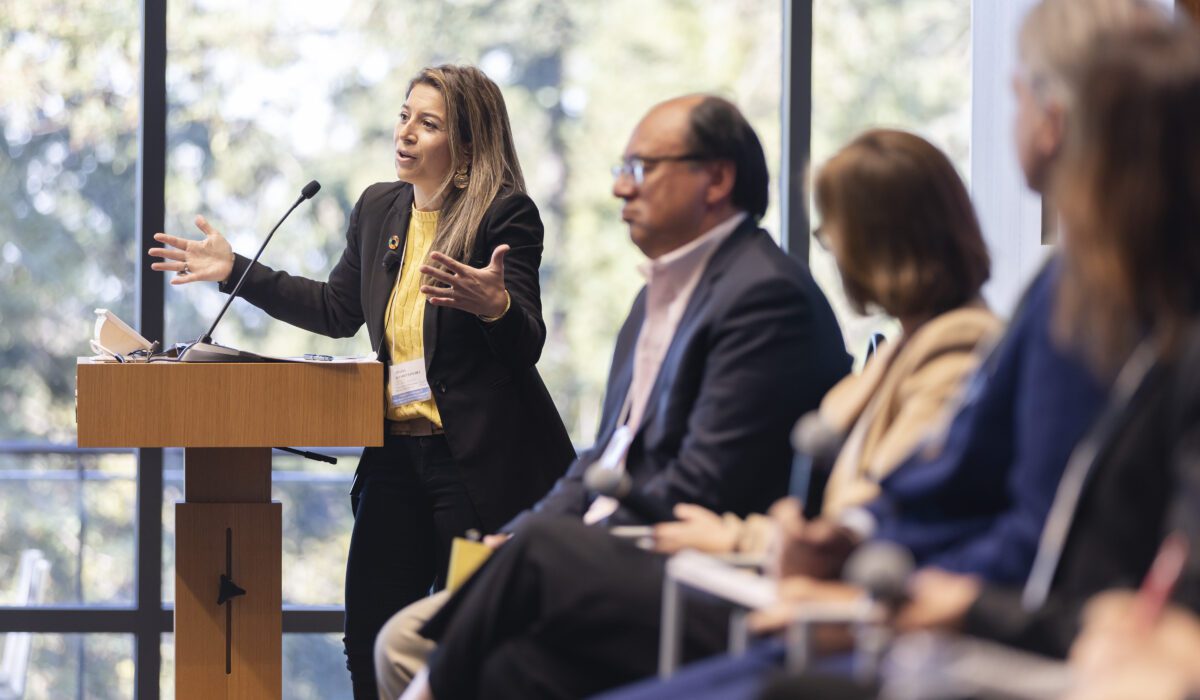
Corporate sustainability reporting will move forward despite uncertainty, experts say
April 9, 2024


Research
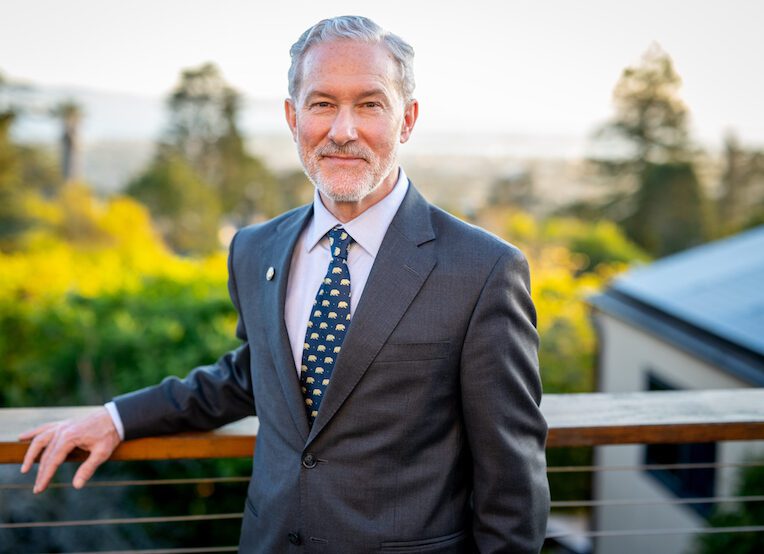
Research challenges relevance of popular ESG scoring models for investment returns
March 20, 2024
Innovation
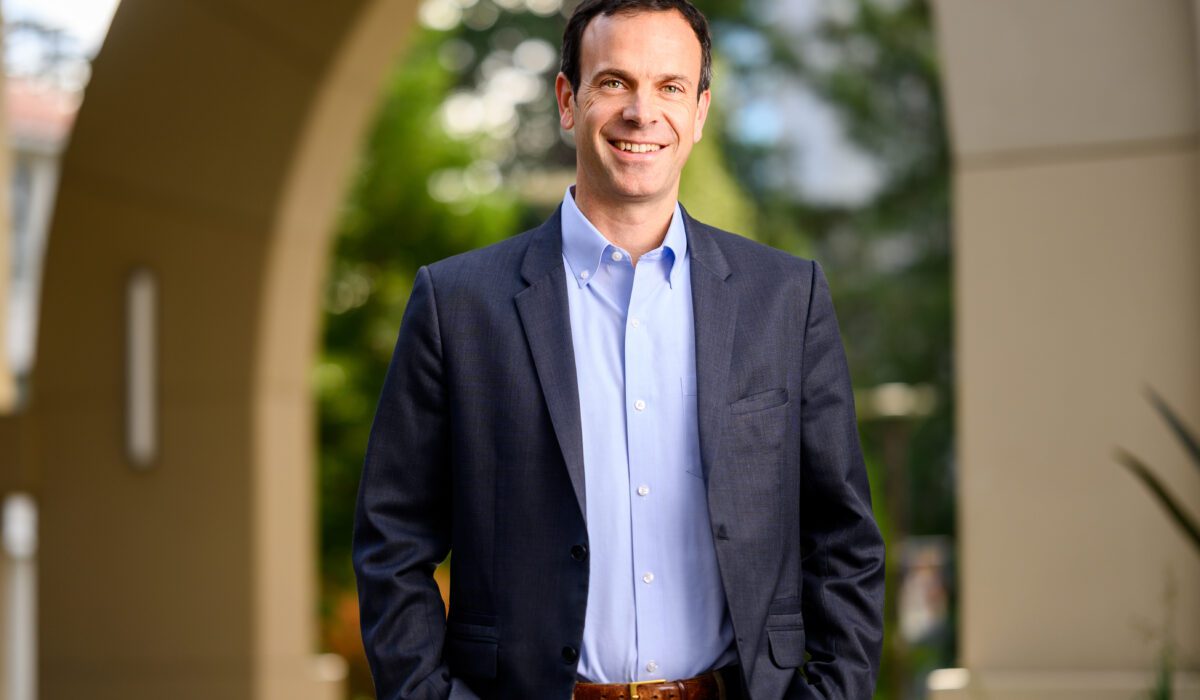
New center aims to create healthcare innovation research-to-impact pipeline
March 6, 2024
HAAS IN THE NEWS

Fox KTVU
Power of branding amid Oakland International Airport proposing a name change
April 18, 2024

Inc.
Fashion models and business school professors agree this is the No. 1...
RE: Dana R. Carney
April 17, 2024

Fortune
Moved far from the city during Covid? Pray you don’t lose your...
RE: Enrico Moretti
April 15, 2024

Canary Media
California derailed its booming rooftop solar buildout. Can it be fixed?
April 15, 2024

Econ Focus
On law versus economics, the long-term effects of inflation, and the remembrance...
April 15, 2024
U.S. News & World Report
Questions women should ask when applying to MBA programs
RE: Ann E. Harrison
April 19, 2024
HAAS MBA BLOG



STUDENT NEWS
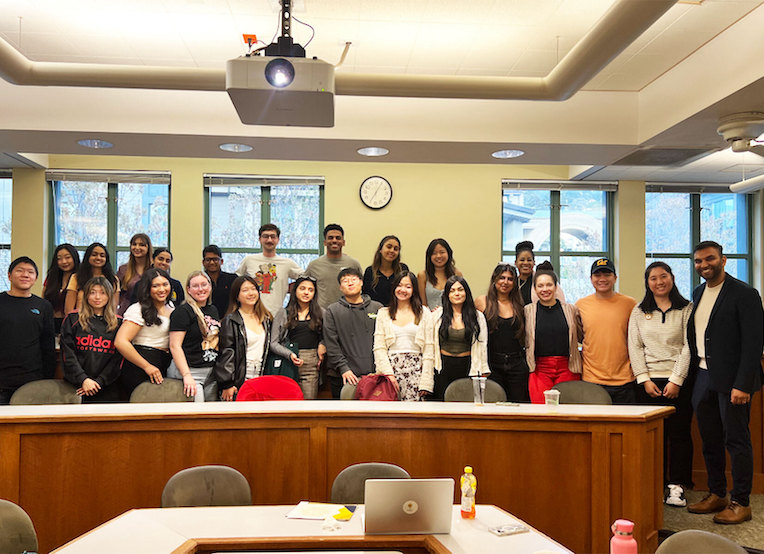
Making space and making a difference as an entrepreneur through acquisition
January 19, 2024
PERSPECTIVES




CALIFORNIA MANAGEMENT REVIEW BLOG
3 Models for Assessing and Improving AI Corporate Performance
March 26, 2024
FROM THE MAGAZINE

Office Design
There’s No Place Like Work
How place identity enhances engagement Post-pandemic workspaces have become increasingly fluid, and companies are trying out hot...
November 29, 2023
Read More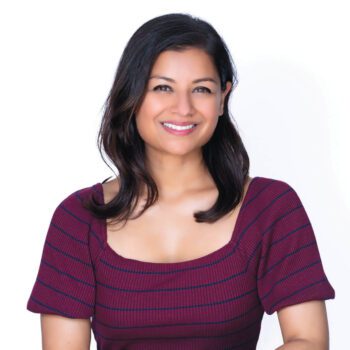
Confidence Without Attitude
Priya Saiprasad, BS 10
Co-Founder and General Partner, Touring Capital
Priya Saiprasad often doesn’t look like other venture capitalists in Silicon Valley boardrooms. But she does look...
November 30, 2023

Question the Status Quo
Jackson Block, BS 17
CEO and Co-founder, LGBT+ VC
Soon after the 2022 Club Q massacre in Colorado Springs, Colorado, Jackson Block took action to advance...
November 30, 2023

Students Always
Nick Sonnenberg, MFE 07
CEO and Founder, Leverage
If you’ve ever felt overwhelmed with work, you’re not alone. Nick Sonnenberg heard the complaint so often...
November 30, 2023

Beyond Yourself
Olaseni Bello, MBA 21
Associate General Counsel, Product, Intuit
Anchored by his North Stars—impact and access—Olaseni Bello has always sought to serve a larger purpose through...
November 30, 2023